A DYING KING: THE SHAH OF IRAN

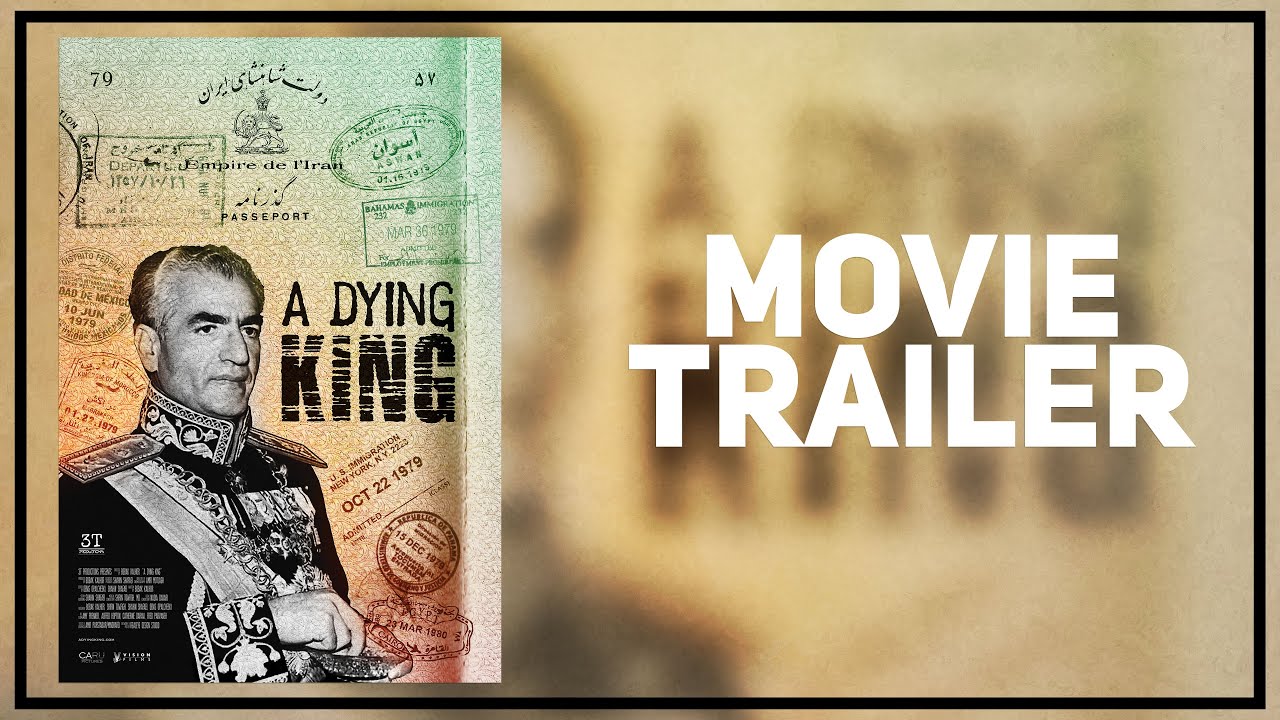
SYNOPSIS
On January 16,1979, the Shah of Iran Mohamad Reza Pahlavi, left the royal palace, the Peacock Throne and his beloved country Iran for the last time, commencing what became a 19-month odyssey into exile. He wondered hopelessly from Egypt to Morocco, Bahamas, Mexico, the U.S, then Panama and back again to Egypt where he died furtively at the age of 60. His death had profound consequences for the future of the Middle East and the world, yet the untold medical story of the last King of Iran has to date remained a puzzling mystery. By unraveling the secrecy surrounding this critical period of history, beginning from the onset of the Shah’s illness, to the diagnosis/misdiagnosis and maltreatment, “A Dying King” exposes the main causes of the Iranian Revolution, the pursuant 444 days hostage crisis, and the adversarial relations between the U.S and Iran.
Written and Directed by
Bobak Kalhor
Watch Now

_svg.png)


Director's
Notes


The Shah of Iran died on July 27th 1980, 557 days after being forced from his peacock throne into exile. His departure changed the future of the middle east and brought about the advent of political Islam.
It is puzzling why the true history of the 1979 Revolution in Iran, America’s involvement in that affair, and the comprehensive story surrounding the fall of the Pahlavi monarchy has yet to be accurately told. It may be owed to the Shah’s own insecurities in keeping important matters secret, but 38 years have passed and we still know next to nothing about one of the watershed historical events of the 20th century and the demise of one of its most colorful personalities.
This film is the culmination of 7 years of chasing shadows and trying to reconstruct a series of events that led to the removal of a monarchy and the birth of an Imamate in Iran. The King's illness was a natural place to start, as his mortality seemed to be the one true connection to reality that made the Shah’s motivations seem human. What was his illness? When was he first diagnosed? How was it treated? How did it change his behavior as a ruler? What contingencies were made by the West?
The trove of archival information required to establish an accurate account of this history is either locked up in classified government files or suppressed for similar reasons by the academic storytellers and the historians that serve as our interpreters to the past. But those who bravely came forward to share their story with me, on and off camera, have helped tell at least a medical portion of this important segment of world history. I hope someday, the future will afford us a chance to tell the rest.
Bobak Kalhor
Featured Interviews


Shorts
REVIEWS
"Ultimately, though, it’s the stranger-than-fiction nature of this eye-opening tale that makes the film so vital and involving."
Gary Goldstein, LA Times

"Expertly weaving old footage and current interviews, A Dying King is an exploration of the Shah of Iran’s health, both in and out of exile – and the sway it held over personal, commercial and governmental interests"
Dan Kadison, NewsWhistle

“A Dying King” adds an additional piece to the puzzle of how the Shah lost his throne in Iran, an event that reverberates to this day
Aaron Bandler, Jewish Journal
an interesting look inside what caused the Iran Hostage Crisis, along with long-term ripple effects with U.S. relations in the Middle East
Christian Long, Glide Magazine
